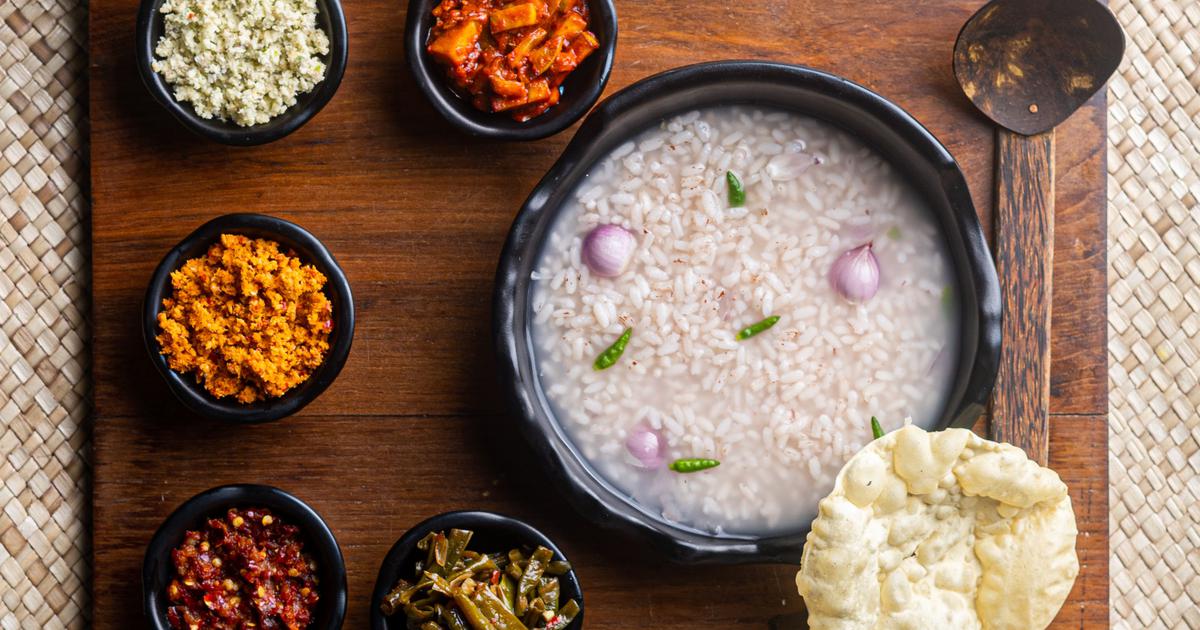
We work fluently across Indian, Middle Eastern, South-East Asian, Mediterranean and Western cuisines. Biryani, dal, hummus, your grandmother's recipes — they stay. We show you how they fit, not how to cut them.
12+
Years of Practice
7,000+
Clients Supported
10+
Countries Served
5+
Cuisine Traditions

We measure success the way you live it. Energy, habits, and a number that doesn't bounce back.

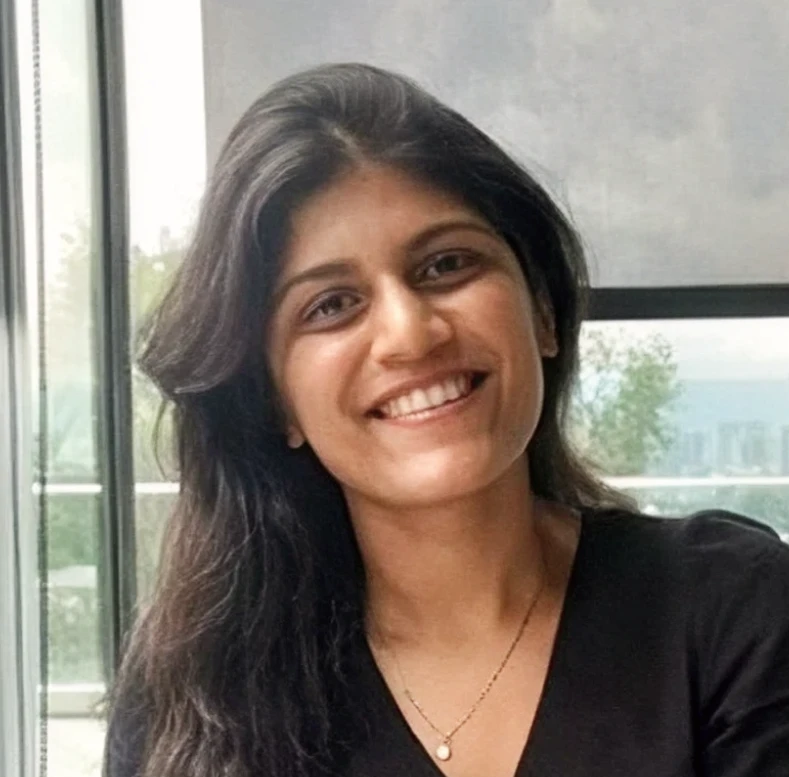
Deepika Soni
Singapore
PROOF

They kept the food, and lost the weight.

Real people, real plans — from Dubai to India to Singapore.
“When I first approached Dt Meenu, I was at the last stretch of my weight loss journey. With their help, I was able to reach my goal weight in three months”
Anushka Nerukar
Singapore · Weight Management
Why Diet Fails

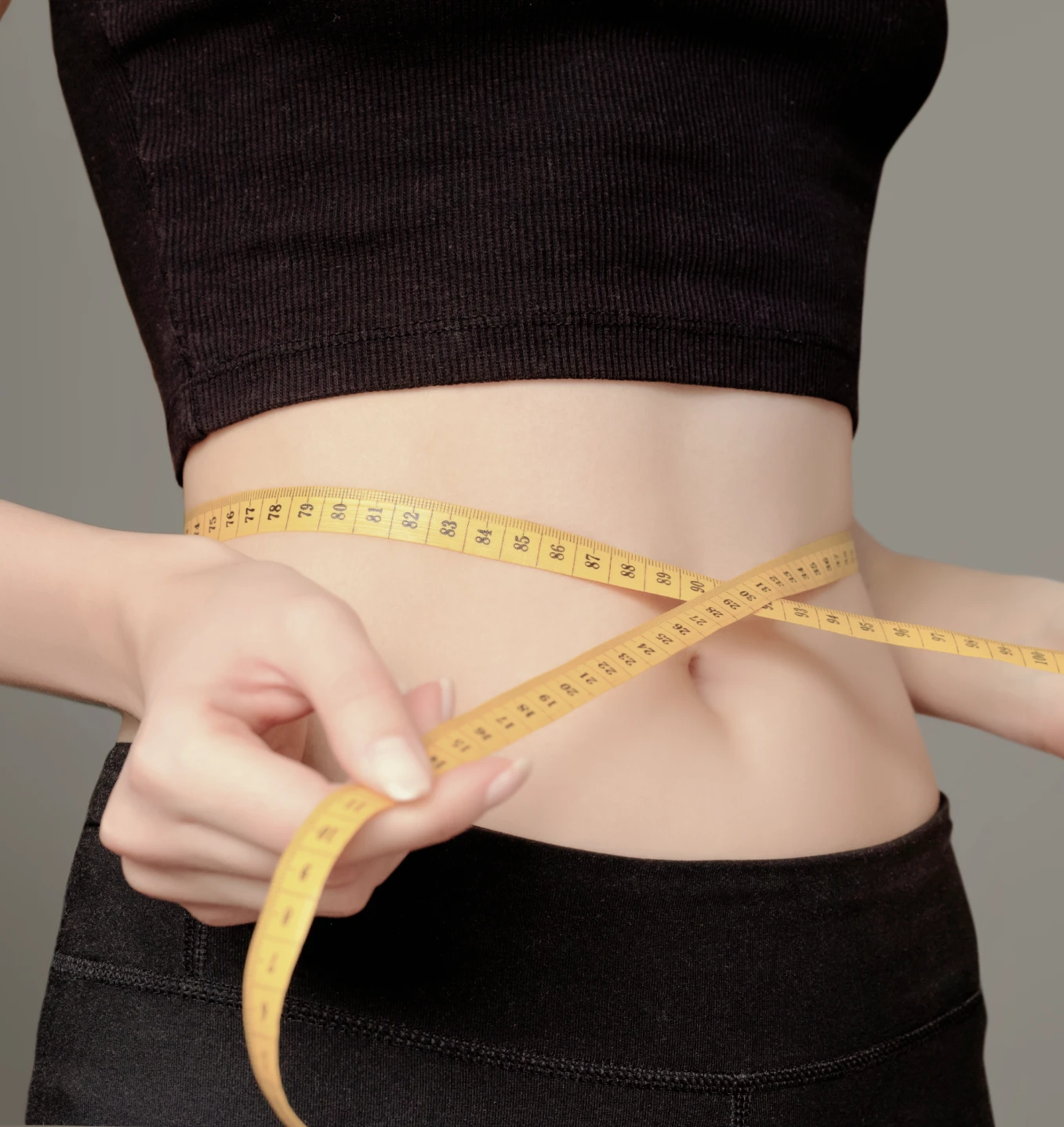
You’ve probably lost weight before. That was never the hard part.

Most diets work for a few weeks. Then life returns, the weight returns, and the scale feels like a verdict. The problem isn’t your willpower — it was a plan that was never built for the life you live.
how it works

A clear path, one step a time.

1 week
Share your story
Health history, routine, what you eat, what you've tried — at your pace, in your language.
1-2 weeks
Get your plan
A dietitian builds a plan around your cuisine, your schedule, your targets.
3 week
Eat, adjust, check in
Bi-weekly check-ins. We adapt as your body and life respond.
4 week
Maintain your own terms
The goal is a way of eating you can keep. Without us, eventually.
WHO IS THIS FOR

Various starting points. One way forward.

Partners in transition

Meet the team behind your plan.

Meenu Agarwal
Clinical Dietitian & Nutritionist, Founder
Snr. Dt. Shampa Banerjee
M.Sc. Dietetics and Food Service Management
Dt. Rajeshwareeba Jadeja
M.Sc. Food Science and Nutrition
Dt. Sanjana Shah
M.Sc. Food Science and Nutrition
Dt. Lissa Thomas
M.Sc. Dietetics and Food Service Management
Dt. Mubbara Mansoor
M.Sc. Food Science and Nutrition
FAQ

Answers to the questions we get

We’re ready to respond to your doubts
What is water retention?

Water retention is when your body holds on to extra fluid in tissues. It can show up as:

  • A sudden scale jump (0.5 to 2 kg is common)
  • Puffy face or fingers (rings feel tight)
  • Swollen feet after long sitting or travel
  • Feeling “bloated” even if you ate normally

This is your body’s protective system working, not a sign that your diet is broken.

What Are “Low-Fat” Foods?

Low-fat foods are processed products where natural fats are reduced or removed. To maintain taste and texture, manufacturers often add:

  • Refined sugars
  • Artificial flavors
  • Starches and thickeners

This means you may be eating something labeled “healthy” — but metabolically, it’s doing the opposite.

What Actually Works for Weight Loss?

The most successful weight loss routine is usually simple and realistic. Try to focus on these habits:

* Eat protein in every meal.

* Fill half your plate with vegetables whenever possible.

* Avoid skipping meals if it makes you overeat later.

* Reduce snacking, sugary drinks and frequent outside food

* Walk daily on days when you do not work out.

* Add strength training two to three times a week.

* Sleep well. Manage stress.

* Be consistent of being perfect.

You do not need to exercise for hours every day. You do not need to starve yourself.. You do not need to follow extreme diets. A healthy body responds better to habits than to short-term punishment.

Exercise is important . It is not a magic solution for weight loss. Think of exercise, as a support system, not the only answer. It helps you become stronger, fitter, happier and healthier.. For weight loss you also need to look at your food habits portion sizes, sleep, stress and daily movement.

Do not stop exercising because the scale is not changing quickly . Keep moving. Also pay attention to the rest of your routine. Weight loss becomes easier when you stop trying to “burn off” food and start building a lifestyle that you can actually continue for years.

What is Intermittent Fasting?

‘Intermittent fasting’ involves alternating cycles of eating and fasting without specifying which types of foods can be eaten on non-fasting days. A person’s intake is often limited to non-calorific fluids such as water, tea, coffee, and diet drinks, or it may allow a very restricted amount of daily calories on a fasting diet. Intermittent fasting became popular over the past decade, but many people are still confused about what fasting entails. Intermittent fasting involves a short period of not eating followed by a period of eating freely. Fasting does not equate to starvation, and with all intermittent fasting regimens, get to eat every day.

Intermittent fasting is in trend and type of eating pattern in which we have to practice to limit the food intake in a way, that cycles between defined periods of fasting and non-fasting. Intermittent fasting is a type of eating with restricted calorie consumption or the use of reserved calories as fuel for the body. It is the type of fasting restrictive diet and thus it is categorized under FAD Diet.

During periods of fasting, it’s important to consume lots of protein. Consuming at least 50 grams of protein on a fast day will help keep hunger at bay and muscle mass high. Examples of high protein fast day meals include shakes with lots of Greek yogurts, fruits, and veggies, or a large salad with lean meat, eggs, legumes or nuts. Intermittent fasting regimens involve periods of not eating followed by a period of eating freely. It is important to consume protein during periods of fasting. Intermittent fasting can be an effective way to achieve healthy body weight.

Are cravings caused by nutrient deficiencies?

Although some conditions such as sodium deficiency and pica can cause cravings, there is no conclusive evidence that cravings are caused by nutrient deficiencies. Certain known facts about cravings like the influence of sleep and nutrition habits (and perhaps even gender differences) make it more likely that cravings are caused by external factors and not a lack of specific nutrients.

What Is Emotional Eating?

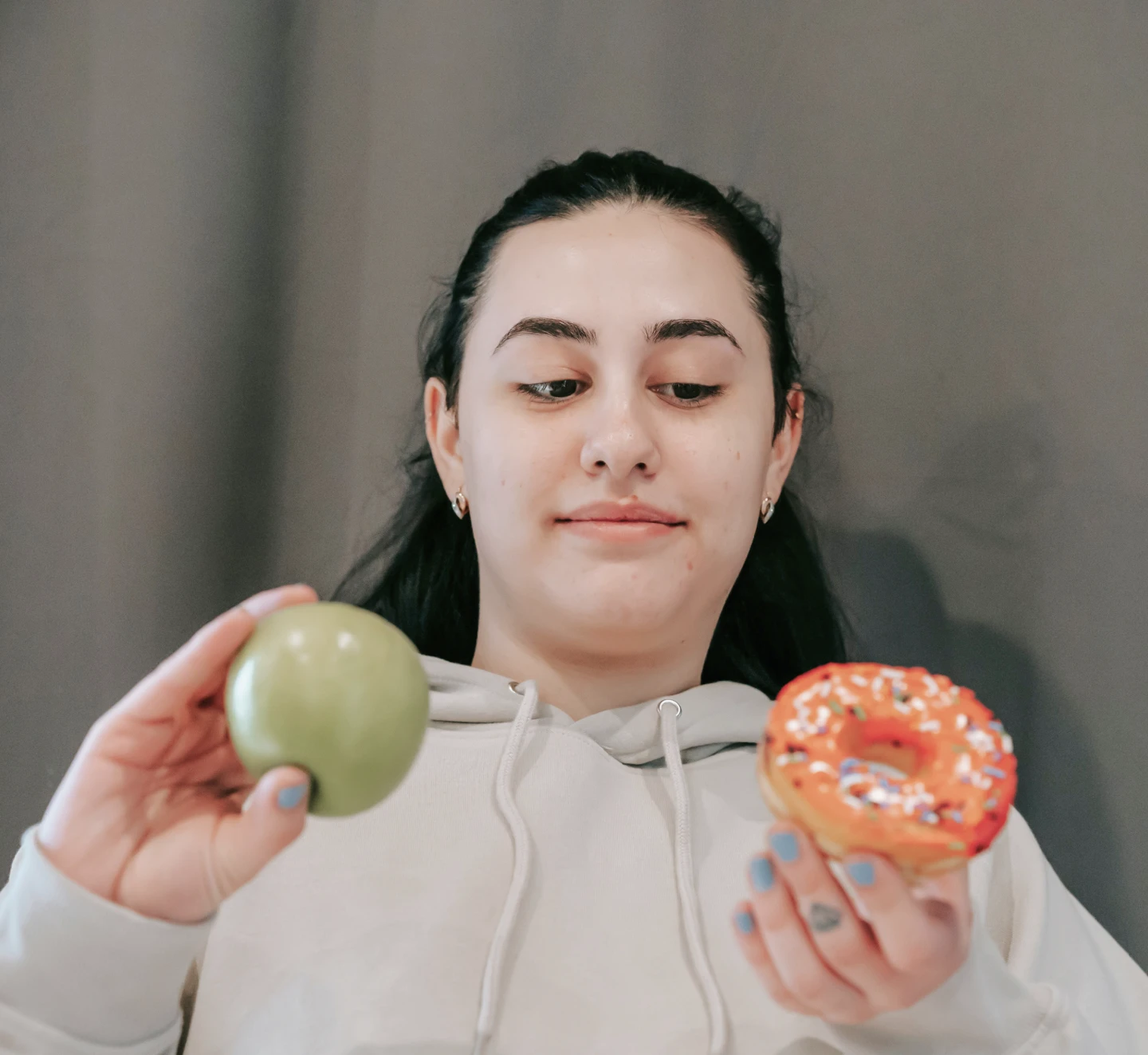
Emotional eating refers to using food to cope with emotions rather than satisfying physical hunger. Instead of eating to fuel your body, you might eat to distract yourself from negative feelings. This behaviour often involves craving high-calorie, sugary, or fatty foods, which can provide short-term pleasure but may have long-term consequences for your health.

RELATED

Commonly linked to weight.

Health articles

Our latest insights

View all articles

Whenever you’re ready,
‍we’re here.

Book a free consultation or message us on WhatsApp. You'll speak to a dietitian, someone who'll actually listen.
Chat on Whatsapp
Name
email
Phone
message
Thank you! Your submission has been received!
Oops! Something went wrong while submitting the form.