GERIATRIC NUTRITION

More good years, well fed.
Strong, steady, and still yourself.

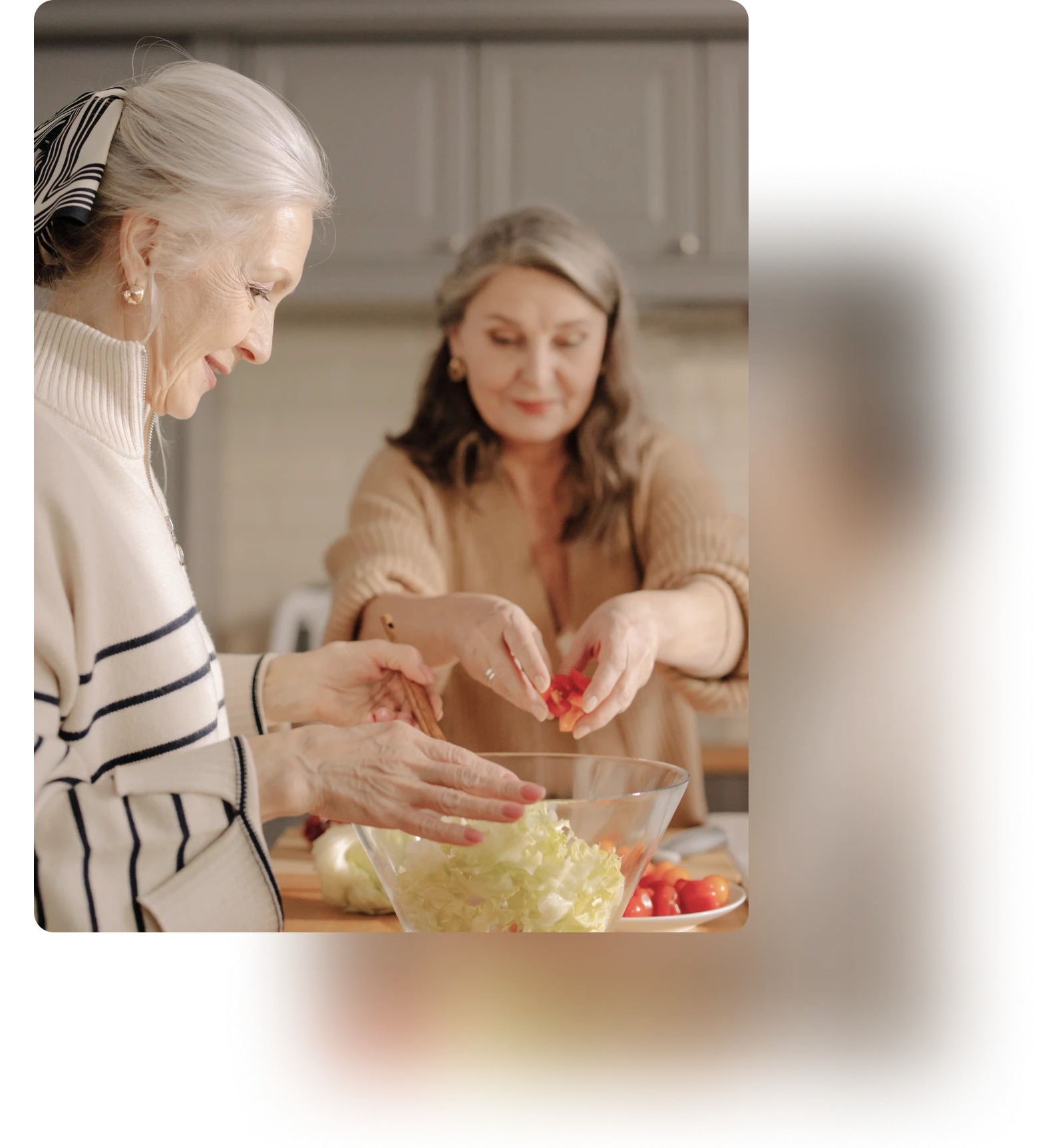
Gentle, evidence-based nutrition for adults 60 and over, protecting strength, energy and independence, and working around the conditions of later life.Built on familiar food, and just as easy whether it's for you or a parent.

The meals of a lifetime don't need replacing — just adjusting.We keep the food that's always felt like home, tuned gently to what the body needs now.

12+
Years of Practice
7,000+
Client Supported
10+
Countries Served
7+
Qualified Dietitians
5+
Cuisine Traditions
Testimonials

Still doing what they love.

Gentle, evidence-based nutrition for adults 60 and over, protecting strength, energy and independence, and working around the conditions of later life.Built on familiar food, and just as easy whether it's for you or a parent.
See all testimonials
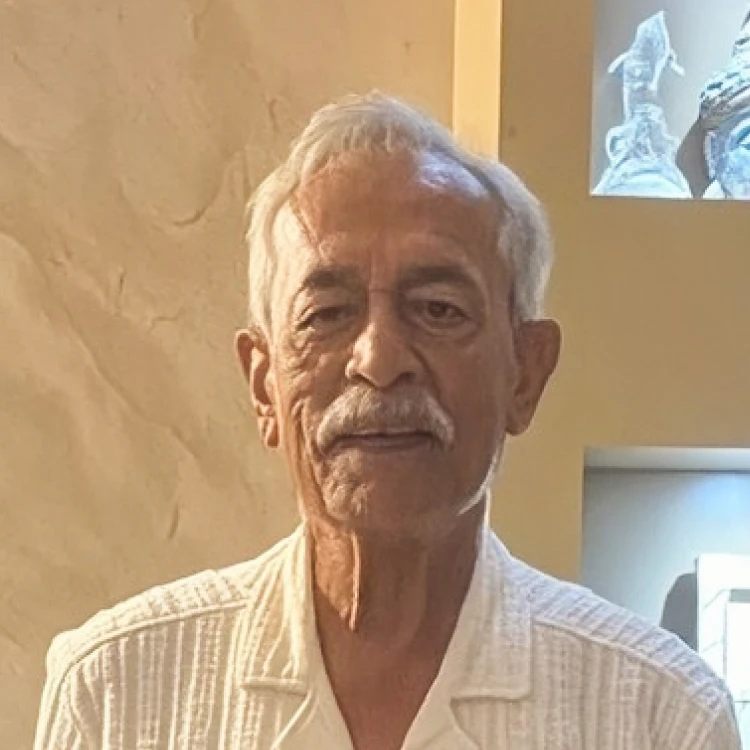
“I'm 75, with high blood sugar and kidney disease. Six months on, my sugar is down, my creatinine has improved, and I've lost 13 kg — on a diet built for my needs.”
Udayan Mustafi
Dubai, UAE · Managing conditions
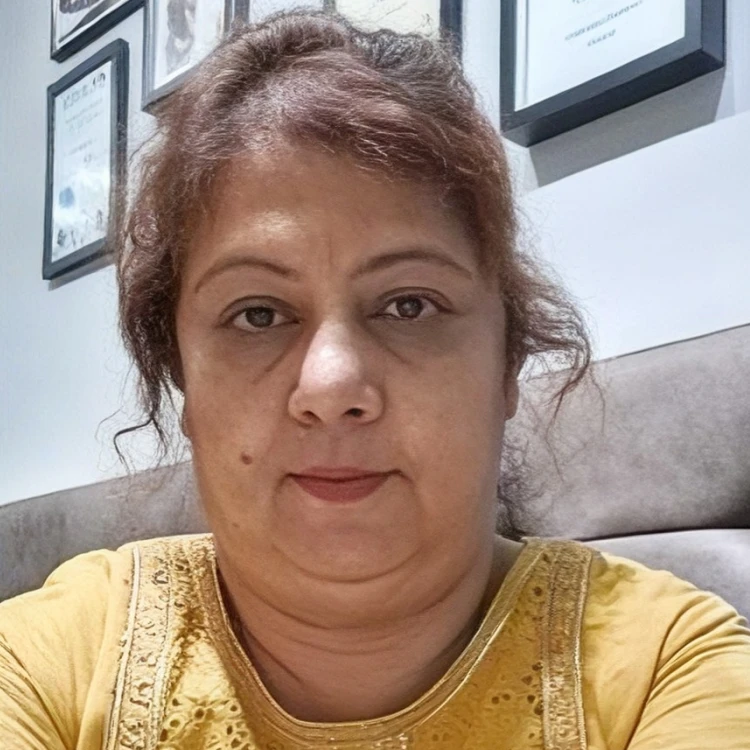
“I got my mum enrolled too. Three months in, she's showing tremendous improvement — and we're both eating better than we ever have.”
Deepa R
Vietnam · Booked for her mother
THE SECOND-GUESSING

A longer life deserves a fuller plate.

Somewhere along the way, "eating healthy" in later life became a list of things to give up — salt, sugar, oil, joy. But appetite fades, medications complicate things, and muscle quietly slips away — and a plate of boiled, beige caution helps none of it. Older bodies need moreof the right nourishment, in food that still tastes like living.
how it works

Unhurried, and entirely yours.

1 week
Share the full picture
Health history, medications, appetite and routine — at whatever pace feels comfortable.
1-2 weeks
Get a gentle plan
Familiar foods, realistic portions, and the nutrients that matter most now.
3 week
Settle in, adjust
We adapt around appetite, energy and daily life, checking in as often as helps.
4 week
Protect independence
Habits that keep strength, mobility and confidence for longer.
WHO IS THIS FOR

Various starting points. One way forward.

Partners in transition

Meet the team behind your plan.

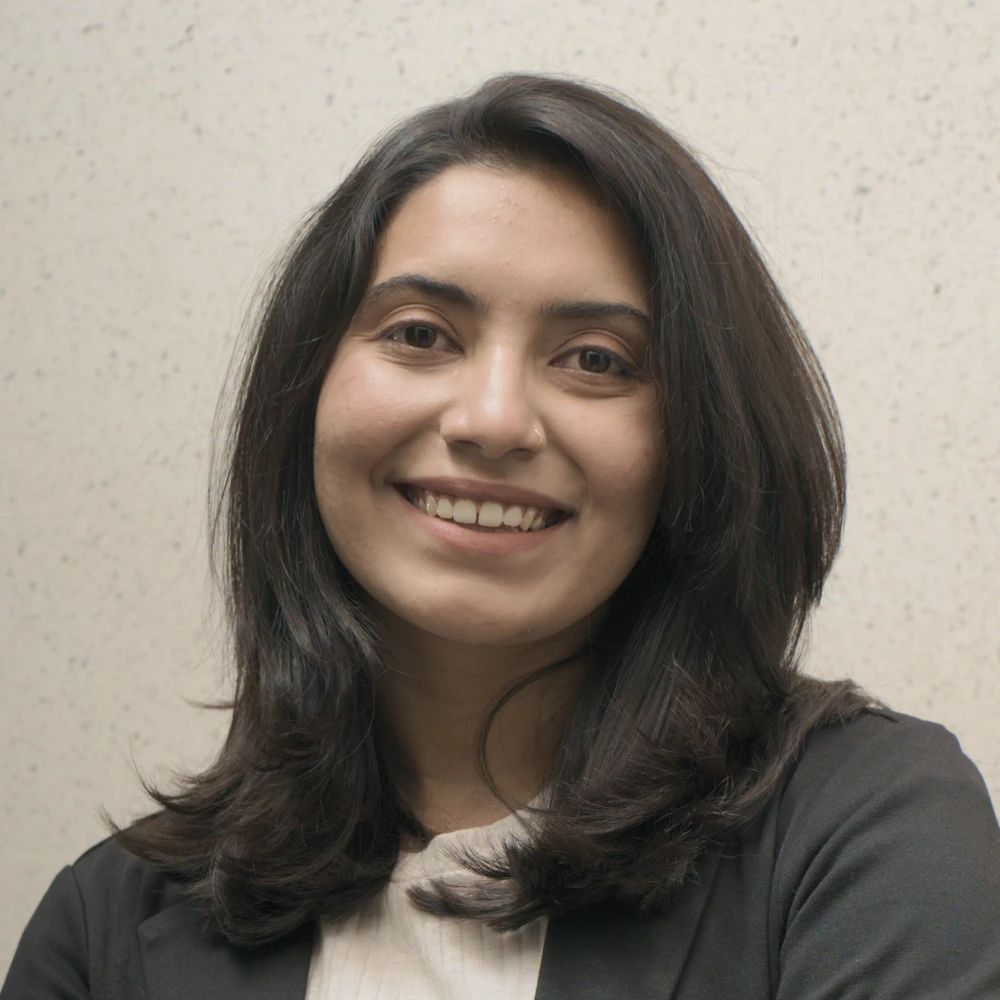
Meenu Agarwal
Clinical Dietitian & Nutritionist, Founder
Snr. Dt. Shampa Banerjee
M.Sc. Dietetics and Food Service Management
Dt. Rajeshwareeba Jadeja
M.Sc. Food Science and Nutrition
Dt. Sanjana Shah
M.Sc. Food Science and Nutrition
Dt. Lissa Thomas
M.Sc. Dietetics and Food Service Management
Dt. Mubbara Mansoor
M.Sc. Food Science and Nutrition
FAQ

Answers to the questions we get

We’re ready to respond to your doubts
How Much Protein Do You Need After 40?

Protein requirements change after the age of 40, and particularly during menopause. While the general recommendation for protein intake is around 0.8 grams per kilogram of body weight, adults over the age of 40 may benefit from increasing their intake to 1.0–1.2 grams per kilogram to help prevent muscle loss and support overall health.

For women in menopause, it is particularly beneficial to aim for the higher end of the protein range. A 150-pound (68 kg) woman, for instance, would need between 68 to 82 grams of protein per day, depending on her activity levels and health goals. It’s also important to spread protein intake evenly throughout the day, as the body’s ability to utilize protein is most effective when consumed in regular intervals.

How can you prevent osteoporosis?

Diet and lifestyle are two risk factors you can control to prevent osteoporosis.

Diet: To maintain strong & healthy bones, one should take calcium rich diet throughout life. One cup of low – fat milk contains 300 milligrams of calcium. Besides milk & milk products, other rich sources of calcium are salmon with bones, sardines, kale, broccoli, calcium-fortified juices and breads, dried figs and calcium supplements.

Vitamin D is also important because it enables the body to absorb calcium. Vitamin D can also be obtained from sunlight exposure a few times a week at the time of sunrise or by drinking fortified milk.

Lifestyle: Maintaining a healthy lifestyle can reduce the degree of bone loss. Start with regular physical activity regime. Exercises such as walking, jogging, aerobics and strength training are best for making bones stronger. Weight-bearing, resistance, and balance exercises are just a few of the activities you can do to build and maintain strong, healthy bones that are less prone to osteoporosis-related fractures. The earlier you begin a regular exercise program, the better.


What Causes Osteoporosis?

There are many factors that contribute to and exacerbate the onset of osteoporosis. They include:

  • Diet
  • Activity level
  • Low sex hormones (estrogen in women; testosterone in men)
  • Medical conditions (including intestinal problems and kidney disease)
  • Medications (such as glucocorticoids)
  • Smoking and heavy alcohol consumption
Are there specific foods to avoid for seniors?

Seniors should be cautious about excessive salt and sugar intake, and those with specific health conditions may need to limit certain foods. Consultation with a healthcare professional is advisable.

How can seniors maintain a healthy weight?

Seniors can maintain a healthy weight by focusing on a balanced diet and incorporating regular physical activity, which is essential for a healthy lifestyle. It also includes adjusting calorie intake based on individual needs.

What are the essential nutrients for seniors?

Essential nutrients for seniors include protein, calcium, vitamin D, and omega-3 fatty acids, which are vital for muscle, bone, and brain health.

RELATED

Care for the whole journey.

Health articles

Our latest insights

View all articles

Whenever you’re ready,
‍we’re here.

Book a free consultation or message us on WhatsApp. You'll speak to a dietitian, someone who'll actually listen.
Chat on Whatsapp
Name
email
Phone
message
Thank you! Your submission has been received!
Oops! Something went wrong while submitting the form.