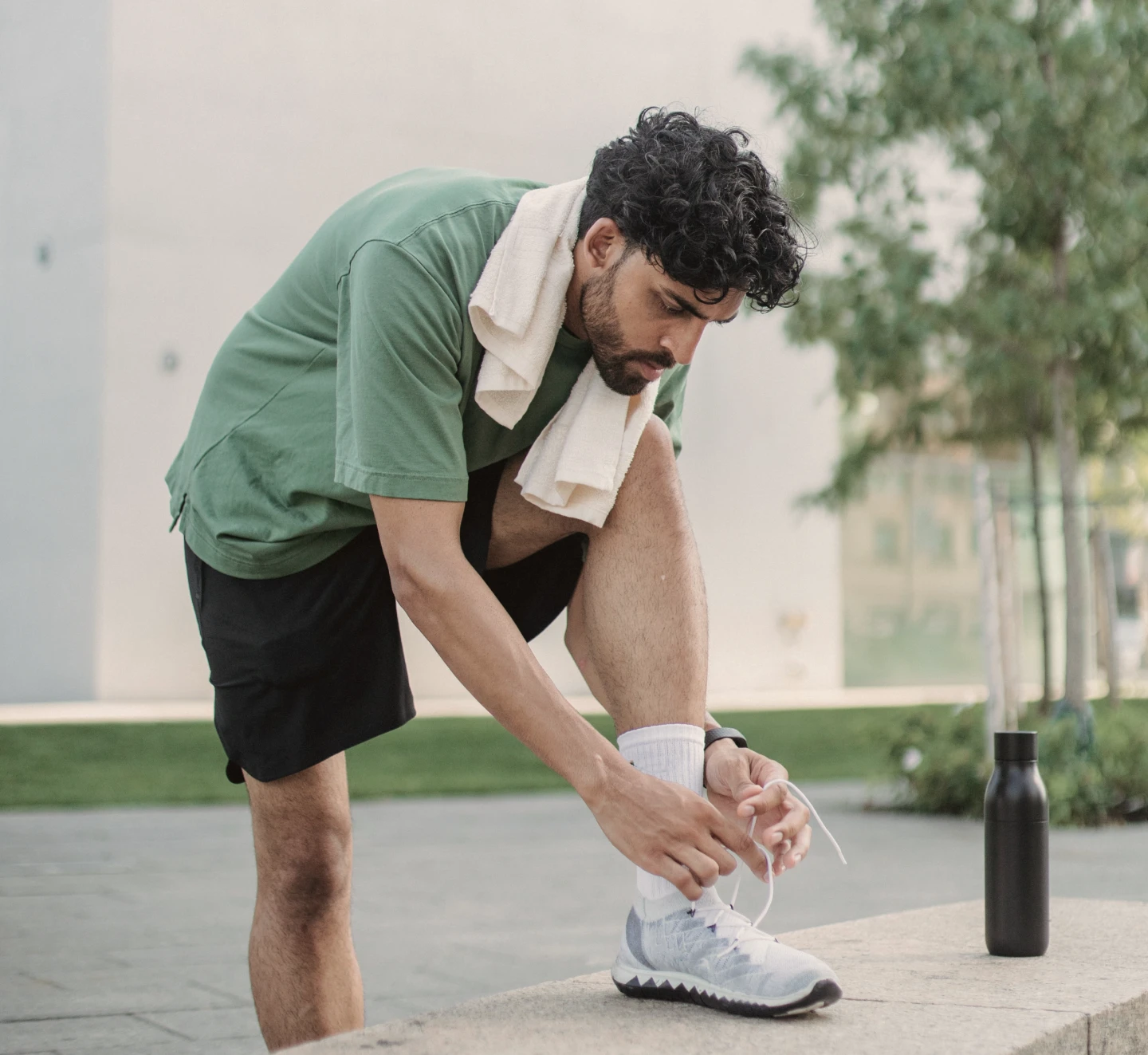
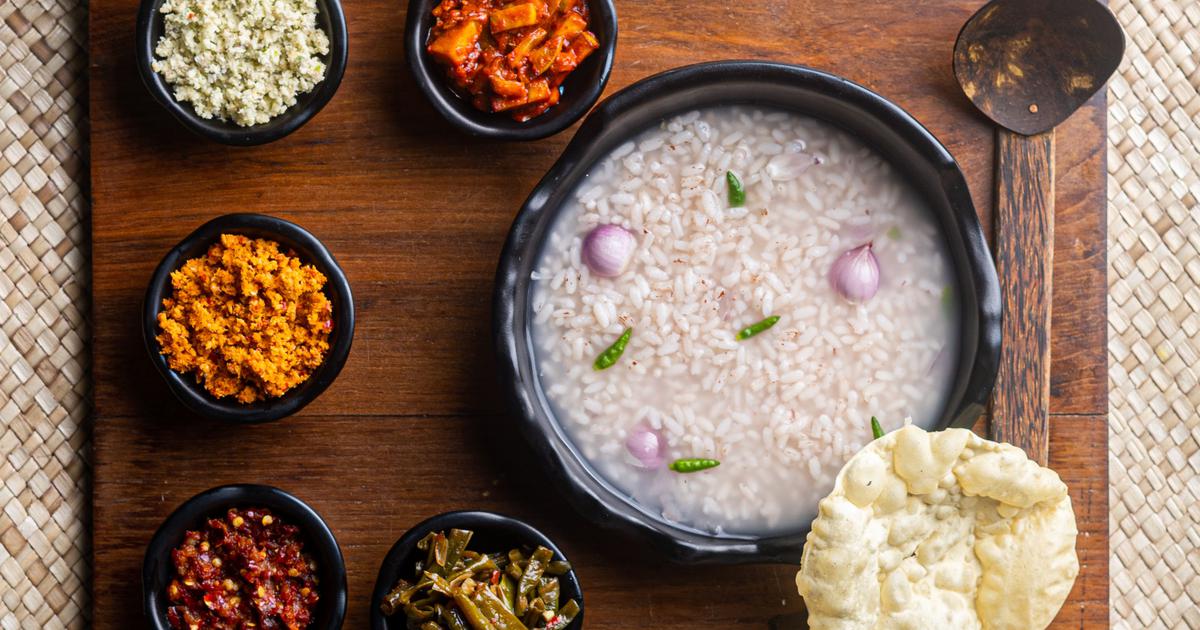
We fuel performance across Indian, Middle Eastern, South-East Asian, Mediterranean and Western kitchens — dal, rice, eggs, whatever powers your training. We show you how to hit your numbers, not how to live on chicken and broccoli.
12+
Years of Practice
7,000+
Clients Supported
10+
Countries Served
5+
Cuisine Traditions

We measure success the way you train for it. Energy, recovery, and numbers that move.

Jai Kumar
Singapore
Testimonials

They stopped guessing.
‍Then it showed.

From weekend runners to state athletes — fuelled properly, and the numbers moved.
“Shedding weight was the goal — but preserving muscle mattered just as much. Balancing a real training routine with a structured diet takes finesse, and they made the adjustments as we went.”
Umesh Biyani
Singapore · Sports Nutrition
THE FUELLING GAP

Generic macros won’t get you there. Periodised fuelling will.

Most plans hand you a calorie target and call it sports nutrition. Performance needs fuelling timed to training load, recovery windows, and your actual sport — not a one-size spreadsheet.
how it works

A clear path, one step a time.

1 week
Map your sport & season
Training load, schedule, targets, where you are in your block, and what you actually eat.
1-2 weeks
Get your fuelling plan
Macros, timing and hydration set to your numbers — pre, during, post, and rest days.
3 week
Train and report back
We track performance, recovery and how you feel — not just the scale.
4 week
Periodise & progress
The plan shifts with your blocks, events and goals, because your training does.
WHO IS THIS FOR

Various starting points. One way forward.

Partners in transition

Meet the team behind your plan.

Meenu Agarwal
Clinical Dietitian & Nutritionist, Founder
Snr. Dt. Shampa Banerjee
M.Sc. Dietetics and Food Service Management
Dt. Rajeshwareeba Jadeja
M.Sc. Food Science and Nutrition
Dt. Sanjana Shah
M.Sc. Food Science and Nutrition
Dt. Lissa Thomas
M.Sc. Dietetics and Food Service Management
Dt. Mubbara Mansoor
M.Sc. Food Science and Nutrition
FAQ

Answers to the questions we get

We’re ready to respond to your doubts
How Long Does Muscle Recovery Take?

Recovery times depend on:

Workout intensity & type (heavy lifting vs. light cardio)

Fitness level (beginners need more rest)

Nutrition & hydration

Sleep quality

Age and overall health

On average, 24-72 hours is needed for muscles to repair fully after an intense session.

What Happens to Muscles During Exercise?

When you exercise especially with strength training your muscle fibers undergo microscopic damage. The body responds by:

Repairing these microtears

Adding new proteins to muscle fibers

Increasing glycogen storage for energy

Strengthening connective tissues

This entire repair process is what we call muscle recovery.

Can I Work out while Fasted?

Yes, fasted workouts are fine. Some people recommend taking branched-chain amino acids (BCAAs) before a fasted workout.

Do you need to consume sports drink??

Now water is not the only thing you lose when you sweat while exercising. Sweat also contains electrolytes like sodium, potassium and calcium. Sports drink helps to maintain right electrolyte balance of the body resulting into improved performance and better energy levels.

Ideally a sports drink carbohydrates should come from glucose, sucrose or fructose which are quickly and easily absorbed by the body. • If you’re doing moderate amounts of exercise, you won’t need them. Simple water is often the best thing to drink during and after a workout. If you’re exercising for less than an hour, water is all you need. • If you’re exercising for longer than an hour, sports drinks can help you keep going for longer.

Choose your sports drink wisely. Always check the nutrition label before buying or consuming. They are often high in calories from added sugar and may contain high levels of sodium. Some sports drinks contain caffeine. So be careful not to add too much caffeine to your diet. Caffeine may cause a diuretic effect on your body. This means that you may have to urinate more often.

Why is Diet Important for Bodybuilding?

Think of your body like a car. If you want your car to perform at its best, you need to fuel it with the right kind of gas, right? In the same way, your body needs the right kind of food to perform its best during those intense workouts.

Diet plays a crucial role in bodybuilding. It provides the fuel and building blocks for muscle growth and recovery. Protein is super important because it repairs and builds muscles. You also need carbs for energy and fats for overall health. Eating enough calories is key to gaining muscle. Plus, vitamins and minerals keep your body functioning well. Staying hydrated is vital too. It’s like giving your muscles the right tools and energy to grow bigger and stronger. So, a balanced diet with enough protein, carbs, fats, and nutrients is essential for successful bodybuilding. Don’t forget to consult with a nutritionist or trainer for personalized guidance!

Who is a Sports Nutritionist?

A sports nutritionist is a specialized healthcare professional who focuses on optimizing the diets of athletes and active individuals. Their primary goal is to help athletes perform at their best by tailoring nutrition plans to individual needs and sports requirements. They work closely with athletes to ensure they get the right balance of nutrients, energy, and hydration to support their training and competition goals.

RELATED

Commonly linked to sports.

Health articles

Our latest insights

View all articles

Whenever you’re ready,
‍we’re here.

Book a free consultation or message us on WhatsApp. You'll speak to a dietitian, someone who'll actually listen.
Chat on Whatsapp
Name
email
Phone
message
Thank you! Your submission has been received!
Oops! Something went wrong while submitting the form.