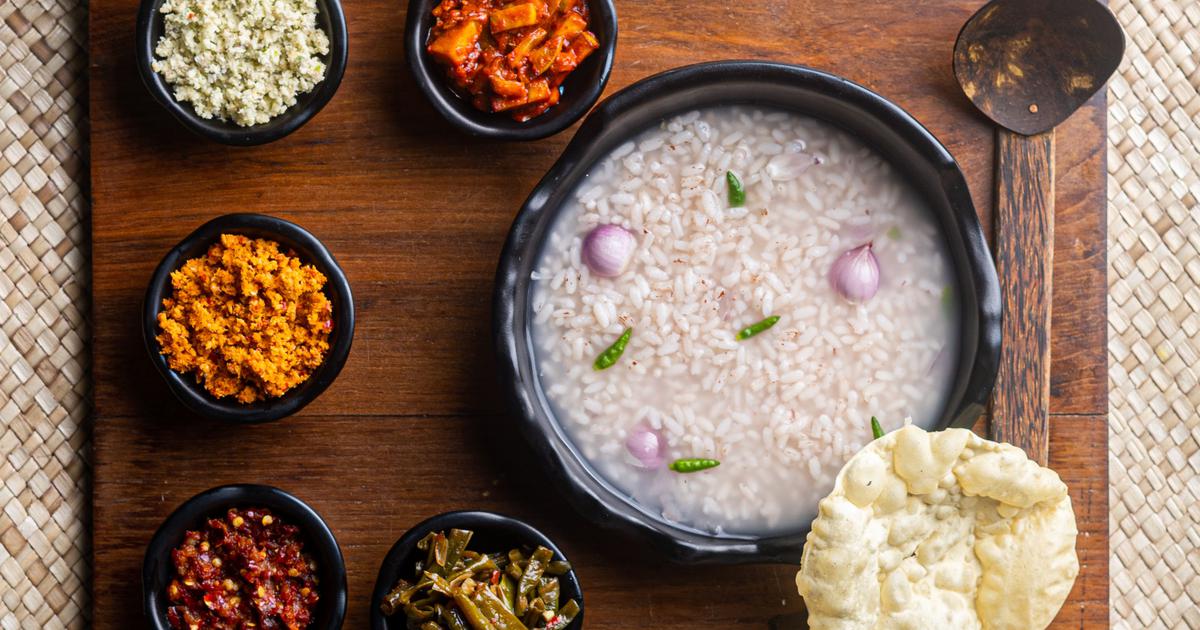
Kids don't eat "balanced diets" — they eat what's on the table. We build around your family's real food, across every cuisine, so mealtimes get calmer — not stricter.
12+
Years of Practice
7,000+
Clients Supported
10+
Countries Served
5+
Cuisine Traditions

We measure success the way you'll see it. A calmer table, a braver plate, a child growing well.

PROOF

From parents like you.

Real families, real mealtimes — calmer than they were.
“My daughter lived on five foods and every dinner was a standoff. Three months in, she actually asks to try things — and I've stopped worrying at every meal.”
Priya M.
Dubai · Fussy eater
THE MEALTIME BATTLE

You’re not failing. Feeding kids is genuinely hard.

Between conflicting advice, picky phases, and packed schedules, mealtimes can feel like a test you keep failing. With the right plan, food can be calmer — and your child can thrive.
how it works

A clear path, one step a time.

1 week
Tell us about your child
Their age, eating habits, what worries you, and what you've already tried.
1-2 weeks
Get a practical plan
Realistic meals and swaps that fit your kitchen and your routine — not a rigid menu.
3 week
Try it, tell us what happened
We adjust around real life — refusals, schedules, school runs.
4 week
Build lasting habits
Skills your child carries forward, not a phase-by-phase fix.
WHO IS THIS FOR

Whatever mealtimes look like right now.

Partners in transition

Meet the team behind your plan.

Meenu Agarwal
Clinical Dietitian & Nutritionist, Founder
Snr. Dt. Shampa Banerjee
M.Sc. Dietetics and Food Service Management
Dt. Rajeshwareeba Jadeja
M.Sc. Food Science and Nutrition
Dt. Sanjana Shah
M.Sc. Food Science and Nutrition
Dt. Lissa Thomas
M.Sc. Dietetics and Food Service Management
Dt. Mubbara Mansoor
M.Sc. Food Science and Nutrition
FAQ

Answers to the questions we get

We’re ready to respond to your doubts
What can help relieve constipation in children?
  • You can give 1-2 prunes early in the morning. Soak the prunes in water, make a paste, and have it early morning on an empty stomach.
  • Dates and milk smoothies as an afternoon snack
  • Do squatting exercises regularly. At least 1 to 2 times a day
  • Maintain regular bathroom habits. Your child should sit on the potty seat for 10 to 15 minutes
  • Maintain regular sleep time for a child.
  • Ask the child to chew their food properly.
  • Try to reduce the use of laxatives.
  • Include fiber in the form of whole-grain, fresh fruits, and vegetables. But don’t increase fiber instantly. Increase slowly.

If constipation isn’t managed by dietary changes and lifestyle management then it is necessary to consult with your Paediatrician. If your child refuses to eat or has unusual abdominal swelling, weight loss, fever, or pain during bowel movements, you will need to see your pediatrician.

What should a balanced school lunchbox include?

In order to prepare a wholesome balanced meal, we need the following in the school lunchbox:

  • We need to pack half of the lunchbox with colorful fruits and vegetables. Two to three different coloured fruits/vegetables would make the lunch box attractive, as well as healthy.
  • One-quarter of the box needs to be whole grains.
  • Rest of the lunch box needs to contain healthy proteins.

If you can add some healthy fats into it, you can have a complete and balanced meal.

Let’s address each of the above components separately and the foods that you can include in order to attain your desired objectives:

One fresh fruit from choices like banana, grapes, apple slices/rings, melon chunks, and berries (strawberries/ blueberries/ raspberries)

Two healthy vegetables from options like mixed sabji, different kinds of sautéed vegetables and salads.

One healthy protein from choices like hard-boiled egg, tofu cubes, sliced chicken, paneer cubes, beans and lentils.

One whole grain meal from bread, pasta, brown rice, oats, ragi, jowar and quinoa

Different types of nuts and dry fruits like almond, cashew nut, raisins, pistachios, hazel nuts, and peanuts.

How can a child dietitian help with picky eating and nutrient gaps?

Do you have a picky eater at home? Many parents are all too familiar with the daily struggle of trying to convince a child to eat their veggies or try new foods.

This challenge often leads to nutrient gaps in a child’s diet. Are you concerned that your child might not be getting all the essential nutrients they need to grow and thrive? A child dietitian can assess your child’s eating habits and develop strategies to ensure they receive a well-rounded diet.

How does the Food & Wellness Child Nutrition Programme help?

Food N Wellness understands the enormous importance of childhood nutrition in the growth and development of a child, both physically and cognitively. This has led the experts to design a perfectly balanced program addressing all the issues of childhood nutrition with care and precision. In the program, we conduct elaborate counselling sessions with parents so that together we may discuss the problems each child may be facing in their own unique ways, and address them separately and individually. In addition, we also provide guidance so that the issues of reluctance among children in drinking water and prevalence of eating too much of sugary foods might also be addressed. We work incessantly so that healthy habits among children might be fostered. The aim of Food N Wellness is to make sure that all the macro and micro nutrients in proper quality and quantity are present in the diet of a child, so that a kid can grow and prosper.

What are common diet-related problems among children?

Obesity– As has been described how prevalent obesity is among children today, and while there might be several factors contributing to it; the extraordinary rise in the consumption of junk foods and free sugar containing food is probably among the very top. Physical inactivity is also one of the most important factors contributing to childhood obesity.

Constipation- Constipation is very common among infants, toddlers and pre-schoolers. One of the primary reasons contributing to constipation is the reluctance children often have in eating whole fruits and green vegetables. Sometimes the fact that children don’t like to drink much water may also contribute to exacerbate constipation.

Dental Cavity– Eating excessive sugary foods and reluctance in following basic oral hygiene often lead to problems like dental cavity.(7)

Immunity Related Problems- Cough, cold and seasonal flu are also very common among children, which are caused by a deficiency of natural foods in diet. This absence of natural foods may lead to omission of important vitamins and minerals, thereby contributing to reduction in immunity.

Apart from the problems described above, many other diet related problems may occur among children, and therefore consulting an expert in order to curate a balanced diet is often one of the most important things a parent can do to ensure the well-being of their child.

What is child nutrition?

The importance of Childhood Nutrition in the growth and development of a child cannot be overstated. The effects are so far-reaching that what a child eats is not only restricted to the child, but often, according to UNICEF, have multi-generational repercussions. According to a 2013 report, UNICEF documented 25% of all children under age five, a whopping 165 million of them, are affected by stunting (low height for age), which leads to irreversible damage to their physical and cognitive development. The devastation is not only restricted to undernutrition. (1) WHO found close to 340 million children and adolescents between ages 5-19 were either overweight or obese. In fact, the prevalence of obesity among children have risen four-and-a-half times (i.e. from 4% to more than 18%) in about 40 years. (2) In addition to the obvious socio-economic deprivations that lead to some of these terrible realities; the fact that even among middle and high income families across the world the repercussions of childhood malnutrition is rampant, cannot be denied.

Before delving deep into the problems related to nutrition that a child might face, and the kind of actions that we might take to address those problems, let’s briefly look at the physical and cognitive milestones a child generally meets growing up.

RELATED

Commonly linked to childhood care.

Health articles

Our latest insights

View all articles

Whenever you’re ready,
‍we’re here.

Book a free consultation or message us on WhatsApp. You'll speak to a dietitian, someone who'll actually listen.
Chat on Whatsapp
Name
email
Phone
message
Thank you! Your submission has been received!
Oops! Something went wrong while submitting the form.