PREGNANCY NUTRITION

Nourish your baby, trust your plate.

Evidence-based guidance for every trimester.Built around your food, aligned with ACOG, with a qualified dietitian beside you the whole way.

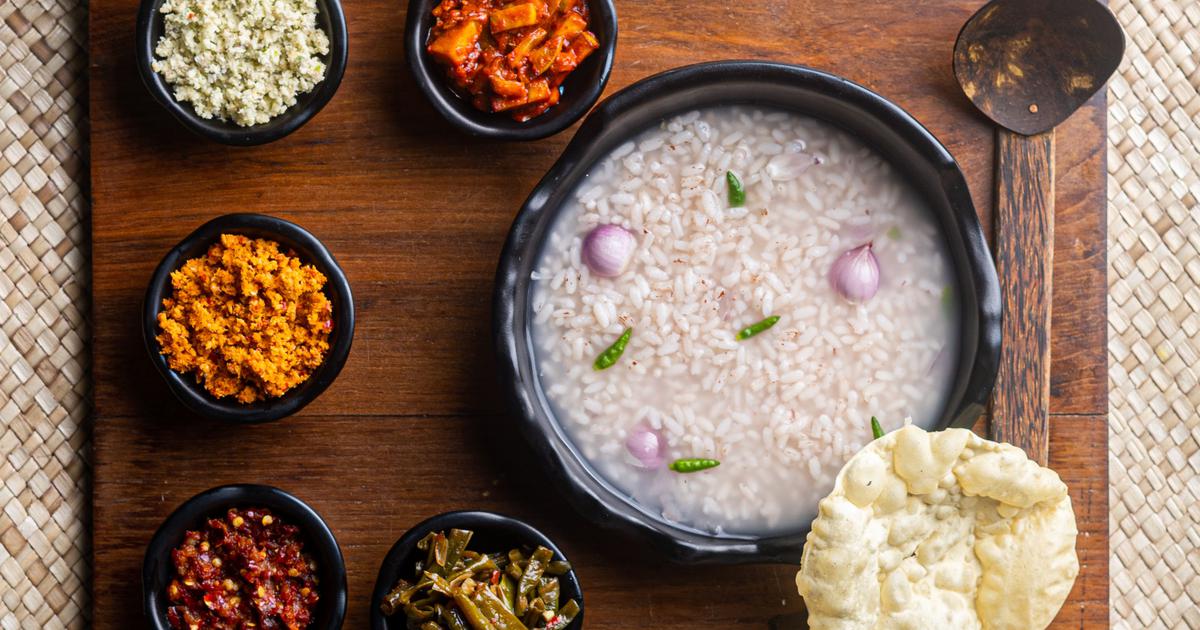
We work fluently across Indian, Middle Eastern, South-East Asian, Mediterranean and Western cuisines. Turning the foods you already love into safe, trimester-ready meals. Your grandmother's recipes stay; we just make them work for two.

12+
Years of Practice
7,000+
Client Supported
10+
Countries Served
7+
Qualified Dietitians
5+
Cuisine Traditions
Testimonials

From the mothers we’ve walked beside.

Real guidance, real reassurance — wherever you are in the journey.
See all testimonias
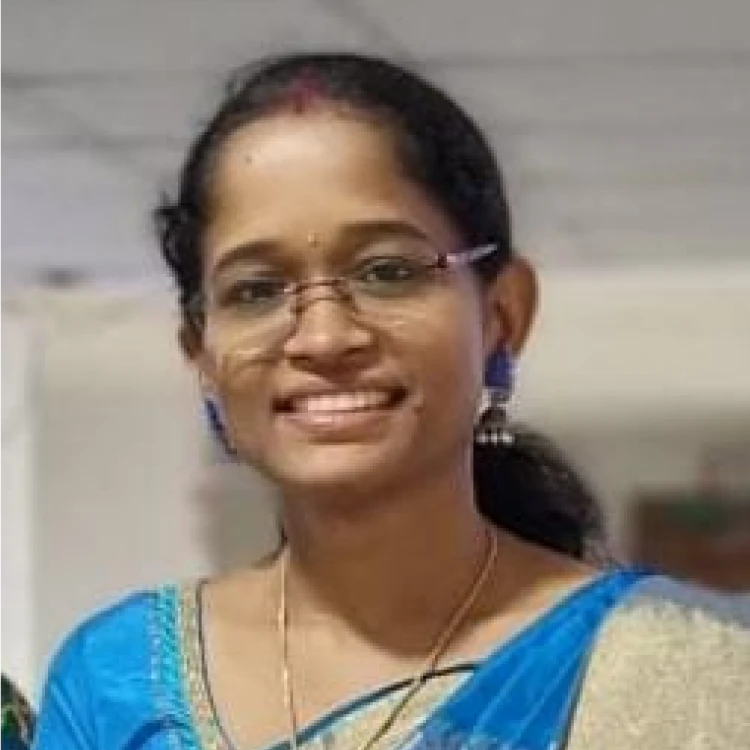
“I'm in my ninth month now. Their advice and personalised meal plans made all the difference — I feel energetic, confident, and well-nourished.”
Sheethal U.
Kerala, India · Pregnancy
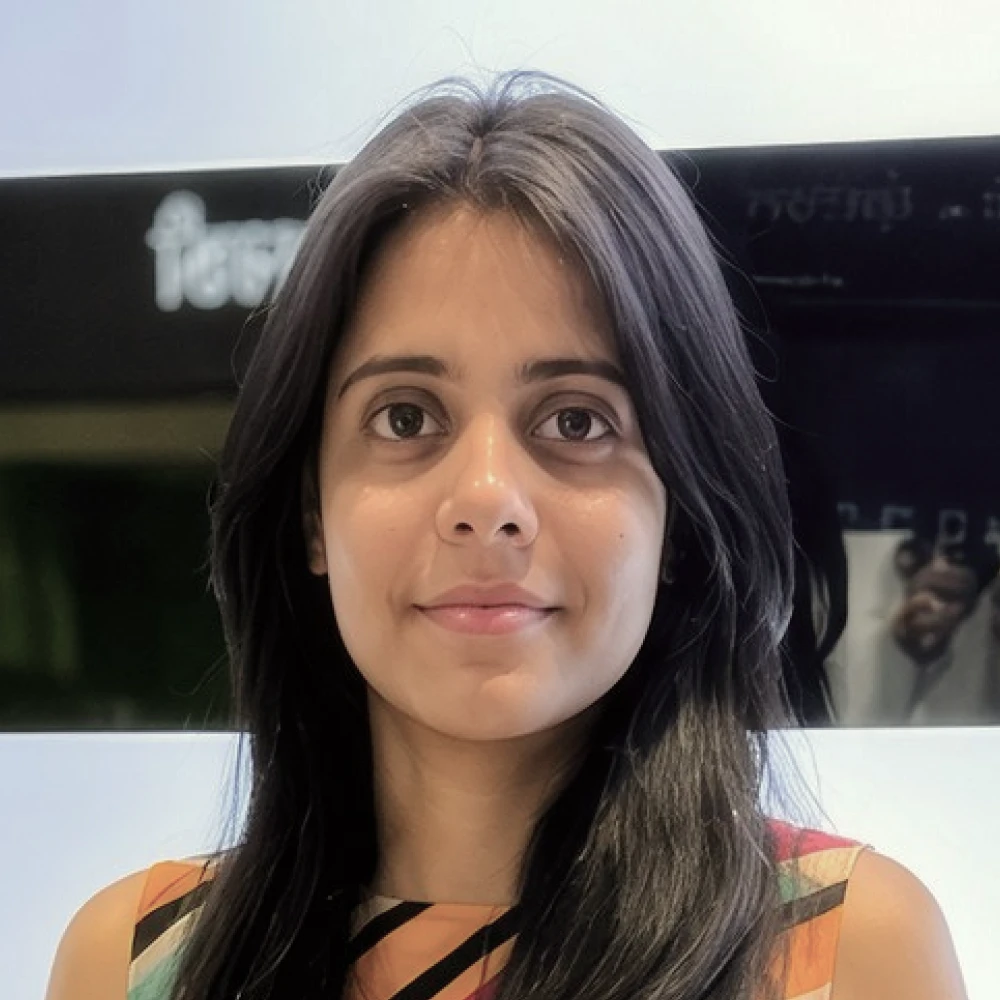
“Their guidance played a real role in the success of my IVF journey. Now, at eight months pregnant, I couldn't be happier.”
Sindhu R.
Singapore · Planning for baby
THE SECOND-GUESSING

Every day brings a new
‍"should I be eating this?"

Conflicting advice from every direction. Endless lists of what to avoid. A constant, quiet worry that you might be getting it wrong. You don't need more rules, you need someone qualified to tell you what actually matters, and what you can safely let go of.
how it works

Clinical on the inside. Simple on your plate.

1 week
Share your stage & history
Where you are, how you're feeling, and any conditions or concerns, at your own pace.
1-2 weeks
Get your trimester plan
Built around your foods, your symptoms, and the nutrients that matter right now.
3 week
Adjust as you go
Nausea, cravings, energy dips. We adapt the plan to real weeks, not ideal ones.
4 week
Into postpartum
Recovery and feeding support for when baby arrives.
WHO IS THIS FOR

Find your condition, find your plan.

Partners in transition

Meet the team behind your plan.

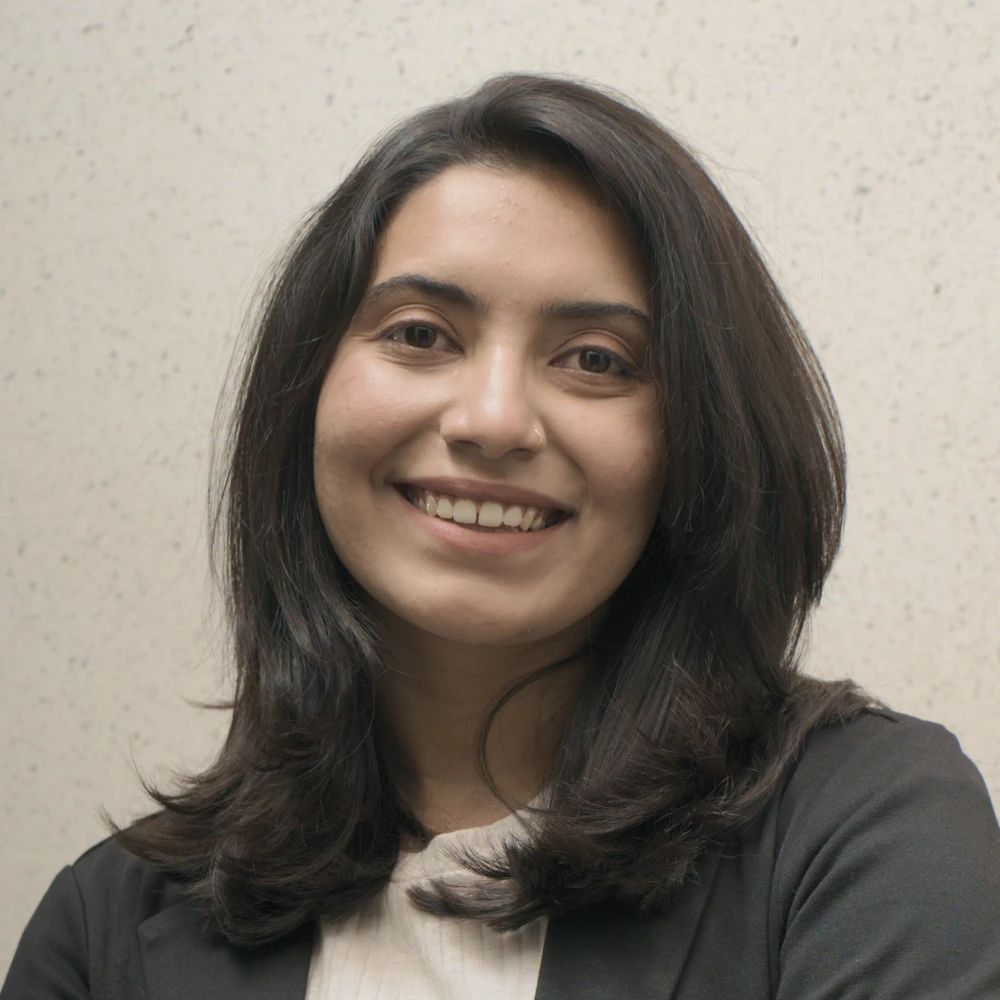
Meenu Agarwal
Clinical Dietitian & Nutritionist, Founder
Snr. Dt. Shampa Banerjee
M.Sc. Dietetics and Food Service Management
Dt. Rajeshwareeba Jadeja
M.Sc. Food Science and Nutrition
Dt. Sanjana Shah
M.Sc. Food Science and Nutrition
Dt. Lissa Thomas
M.Sc. Dietetics and Food Service Management
Dt. Mubbara Mansoor
M.Sc. Food Science and Nutrition
FAQ

Answers to the questions we get

We’re ready to respond to your doubts
What are the foods and drinks should I limit or avoid while breastfeeding?

Certain foods and drinks deserve caution while you’re breastfeeding. For example:

  • Alcohol: There’s no level of alcohol in breast milk that’s considered safe for a baby. If you drink, avoid breastfeeding until the alcohol has completely cleared your breast milk. This typically takes two to three hours for 12 ounces (355 milliliters) of 5% beer, 5 ounces (148 milliliters) of 11% wine, or 1.5 ounces (44 milliliters) of 40% liquor, depending on your body weight. Before you drink alcohol, consider pumping milk to feed your baby later.
  • Caffeine: Avoid drinking more than 2 to 3 cups (16 to 24 ounces) of caffeinated drinks a day. Caffeine in your breast milk might agitate your baby or interfere with your baby’s sleep.
  • Fish: Seafood can be a great source of protein and omega-3 fatty acids. Most seafood contains mercury or other contaminants, however. Exposure to excessive amounts of mercury through breast milk can pose a risk to a baby’s developing nervous system. To limit your baby’s exposure, avoid seafood that’s high in mercury, including swordfish, king mackerel, and tilefish.
What about a vegetarian diet and breastfeeding?

Choose foods rich in iron, protein, and calcium. Good sources of iron include lentils, enriched cereals, leafy green vegetables, peas, and dried fruit, such as raisins. Body absorb iron; eat iron-rich foods with foods high in vitamin C, such as citrus fruits. For protein, consider plant sources, such as soy products and meat substitutes, legumes, lentils, nuts, seeds, and whole grains. Eggs and dairy are other options. Good sources of calcium include dairy products and dark green vegetables. Other options include calcium-enriched and fortified products, such as juices, cereals, soy milk, soy yogurt, and tofu. Consider supplements.

A daily vitamin B-12 supplement is recommended. Vitamin B-12 is available almost exclusively in animal products, so it’s difficult to get enough in vegetarian diets. If you don’t eat fish, you might consider talking to your health care provider about taking an omega-3 supplement. If you don’t eat enough vitamin D-fortified foods — such as cow’s milk and some cereals — and you have limited sun exposure, you might need vitamin D supplements. Your baby needs vitamin D to absorb calcium and phosphorus. Too little vitamin D can cause rickets, a softening, and the weakening of bones. Tell your doctor and your baby’s doctor if you’re also giving your baby a vitamin D supplement.

How can I plan meals to get the nutrients that I need during pregnancy?

You should join the program of Foodnwellness. This program gives you a personalized diet plan that includes the kinds of foods in the amounts that you need to eat for each trimester of pregnancy.

Can consuming caffeine be harmful during pregnancy?

Moderate caffeine intake (200 milligrams per day—the amount in approximately two 8-ounce cups of brewed coffee) does not appear to lead to miscarriage or preterm birth. It is not clear whether caffeine increases the risk of having a low birth weight baby.

Excess caffeine can interfere with sleep and contribute to nausea and light-headedness. It also can increase urination and lead to dehydration.

Can being overweight or obese affect pregnancy?

Overweight and obese women are at increased risk of several pregnancy problems. Nutrition during pregnancy plays an important role for overweight and obese pregnant mothers. These problems include gestational diabetes, high blood pressure, preeclampsia, and cesarean delivery. Babies of overweight and obese mothers also are at greater risk such as congenital abnormalities, macrosomia with a possible birth injury, and childhood obesity. If your BMI is 30 or greater. The recommended weight gain is between 11 pounds and 20 pounds during pregnancy. A modest weight loss during pregnancy may be recommended for you if your BMI is 40 or greater.

If a woman is a Vegetarian, what will be her nutritional intake during pregnancy?

A pregnant woman consuming vegetarian diets needs careful nutritional assessment. The vegetarian diet determines the nutrient deficiencies with increased risk. Most pregnant women consuming milk and eggs can meet the increased nutrient needs of pregnancy. You should carefully monitor the Iron Status. Low pre-pregnancy weight and less than optimal weight gain are common problems for vegans. High-calorie foods such as nuts, nut butter, wheat germ, avocados, dried fruit, coconut, honey, and salad dressings may be needed. If you are a vegetarian, you will need to plan your meals with care to ensure you get enough protein. You will probably need to take supplements, especially iron, vitamin B12, and vitamin D.
Vegan diets will require careful planning to consume adequate protein from complementary plant proteins. An alternate source of Vitamin B12 and calcium will require in a vegan diet.
RELATED

Commonly linked to pregnancy.
Health articles

Our latest insights

View all articles

Whenever you’re ready,
‍we’re here.

Book a free consultation or message us on WhatsApp. You'll speak to a dietitian, someone who'll actually listen.
Chat on Whatsapp
Name
email
Phone
message
Thank you! Your submission has been received!
Oops! Something went wrong while submitting the form.