
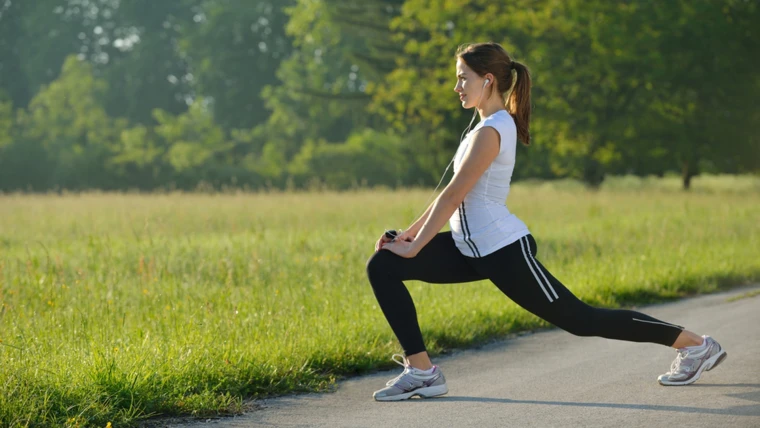
Many people start their weight loss journey with a promise to themselves “From tomorrow I will exercise every day.” They join a gym start walking try workout videos buy shoes and feel motivated for the first few weeks.. Then something frustrating happens. After regular exercise the weight does not change much .
This can feel discouraging . Some people begin to think, “Maybe my body is not responding,” or “Maybe exercise does not work for me.” The truth is, exercise absolutely helps. Exercise is one of the things you can do for your heart , muscles , mood , sleep, blood sugar and overall health. However when it comes to weight loss exercise is one part of the picture..
Weight loss is usually not about doing workouts . It is about creating a lifestyle where food , movement, sleep, stress and routine work together. Weight loss is about making choices that you can stick to for a long time.
Exercise Burns Calories, But Food Can Add Them Quickly
A 30-minute walk or workout may burn a few hundred calories depending on your body weight and intensity. That is valuable.. It is also very easy to eat those calories back without realizing it . For example after a workout many people feel extra hungry . They may have a coffee, a protein bar, a smoothie, a few biscuits or an extra portion at lunch because they feel they have “earned it.”
There is nothing with enjoying food after exercise. The issue is that we often overestimate how calories we burn and underestimate how much we eat . A workout does not cancel out a day of overeating.. This is why someone can exercise regularly and still struggle to lose weight.
Exercise Can Increase Hunger
Have you ever noticed that after a workout you feel hungrier than usual? That is normal. Your body has used energy. It wants to replace it. The problem begins when hunger turns into overeating. A person may start with a meal but then continue snacking throughout the evening because they feel tired, hungry or emotionally satisfied after working out.
This is why planning meals around workouts is important. Of waiting until you are extremely hungry include enough protein, vegetables, fibre and healthy fats in your meals. These foods help you stay full for longer and reduce the urge to snack constantly..
You May Move Less During the Rest of the Day
Sometimes after a workout people unconsciously become less active for the rest of the day. For example you may complete a 45-minute gym session in the morning . Then sit for long hours at work take fewer steps avoid household chores or lie down because you feel tired.. This does not mean the workout was useless. It simply means that total daily movement matters than one exercise session.
Walking, taking the stairs standing often doing household work playing with children and moving around during the day all add up. These small activities may not feel like “exercise,”. They can make a big difference over time . A person who walks consistently throughout the day may sometimes burn energy than someone who works out for one hour but remains inactive for the rest of the day.
Sleep and Stress Can Affect Weight Loss

You may be exercising well and eating reasonably but poor sleep and high stress can still make weight loss harder . When you do not sleep enough hunger hormones can increase.. You may crave foods, fried foods or large portions. You may also feel too tired to cook walk or make choices.
Stress can have an effect. Many people eat not because they are physically hungry. Because they are tired, anxious, bored or emotionally overwhelmed. This is very common. It does not mean you lack discipline. Before blaming yourself for not losing weight ask yourself:
* Am I sleeping well?
* Am I stressed most of the time?
* Am I eating mindfully. Rushing through meals?
* Am I having protein and vegetables?
* Am I skipping meals. Then overeating later?
Sometimes weight loss improves not because you added another workout. Because you started sleeping better managing stress and eating more regularly.
Strength Training Helps,. It Still Needs Support From Diet
Strength training is excellent for building and maintaining muscle. More muscle can support metabolism improve body shape strengthen bones and make daily activities easier.. Even strength training cannot fully compensate for an unbalanced diet .
You can lift weights regularly and still gain weight if your portions are too large your snacks are frequent. Your meals are high in calories but low in nutrients. The best combination is usually strength training along with a diet that includes enough protein, vegetables, fruits, whole grains and healthy fats.
The goal should not be to eat little as possible. The goal should be to eat in a way that keeps you satisfied, nourished and consistent.
Weight Loss Is Not Always Visible on the Scale
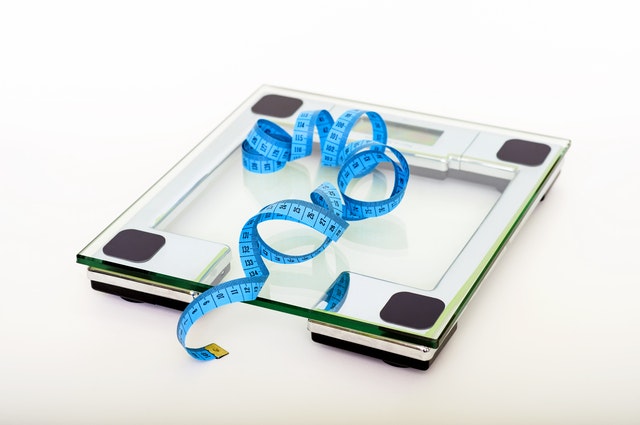
Another reason people feel exercise is “not working” is because they only look at the weighing scale. When you start exercising, especially strength training your body may hold water temporarily. You may also build muscle while losing fat. In cases the scale may not change much but your clothes may fit better and your body may feel stronger.
Of only checking your weight also notice:
* Waist and hip measurements
* How your clothes fit
* Energy levels
* Stamina during walking or workouts
* Sleep quality
* Strength and flexibility
Progress is not always a number on the scale.
What Actually Works for Weight Loss?

The most successful weight loss routine is usually simple and realistic. Try to focus on these habits:
* Eat protein in every meal.
* Fill half your plate with vegetables whenever possible.
* Avoid skipping meals if it makes you overeat later.
* Reduce snacking, sugary drinks and frequent outside food
* Walk daily on days when you do not work out.
* Add strength training two to three times a week.
* Sleep well. Manage stress.
* Be consistent of being perfect.
You do not need to exercise for hours every day. You do not need to starve yourself.. You do not need to follow extreme diets. A healthy body responds better to habits than to short-term punishment.
Exercise is important . It is not a magic solution for weight loss. Think of exercise, as a support system, not the only answer. It helps you become stronger, fitter, happier and healthier.. For weight loss you also need to look at your food habits portion sizes, sleep, stress and daily movement.
Do not stop exercising because the scale is not changing quickly . Keep moving. Also pay attention to the rest of your routine. Weight loss becomes easier when you stop trying to “burn off” food and start building a lifestyle that you can actually continue for years.