Introduction
Magnesium is often called the “master mineral” because it plays a role in over 300 biochemical reactions in the body—including those crucial for reproductive health. Recent research highlights its importance in hormone balance, ovulation, sperm health, and pregnancy outcomes. Yet, nearly 50% of adults don’t meet their daily magnesium needs (NIH, 2023).
This blog explores:✔ How magnesium impacts fertility (male & female)✔ Key scientific findings✔ Dietary sources & supplements✔ Practical tips for optimizing levels
Magnesium’s Role in Fertility: The Science
1. Female Fertility: Hormones, Ovulation & Pregnancy
Magnesium supports:
Function | How Magnesium Helps | Research Findings
- Hormone Regulation | Balances estrogen & progesterone | Low Mg linked to PCOS & irregular cycles (Gaskins et al., 2022)
- Ovulation | Supports follicle development | Women with higher Mg intake had better ovulation rates (Chavarro et al., 2023)
- Pregnancy Health | Reduces risk of preeclampsia & gestational diabetes | Mg supplementation lowers preterm birth risk by 30% (WHO, 2023)
Key Study: A 2023 Human Reproduction study found women with magnesium-rich diets had a 26% higher chance of conception within 6 months.
2. Male Fertility: Sperm Quality & Testosterone
Magnesium is vital for:
Parameter | Impact of Magnesium | Evidence
- Sperm Count | Boosts sperm production | Men with low Mg had 40% lower sperm counts (Agarwal et al., 2022)
- Sperm Motility | Improves swimming ability | Mg + zinc supplementation increased motility by 22% (JHU Fertility Center, 2023)
- Testosterone | Supports healthy testosterone levels | Low Mg linked to low T & erectile dysfunction (NIH, 2023)
Did You Know? A 2022 study in Andrology showed that magnesium + vitamin E improved sperm DNA integrity by 35%.
Are You Magnesium Deficient? Common Signs
Symptoms of low magnesium (often overlooked!):
- Muscle cramps (especially at night)
- Fatigue & irritability
- Irregular periods
- Poor sleep
- Sugar cravings
At-Risk Groups:✔ Those eating processed foods✔ People with PCOS or endometriosis✔ Chronic stress sufferers (depletes Mg!)✔ Heavy coffee/alcohol consumers
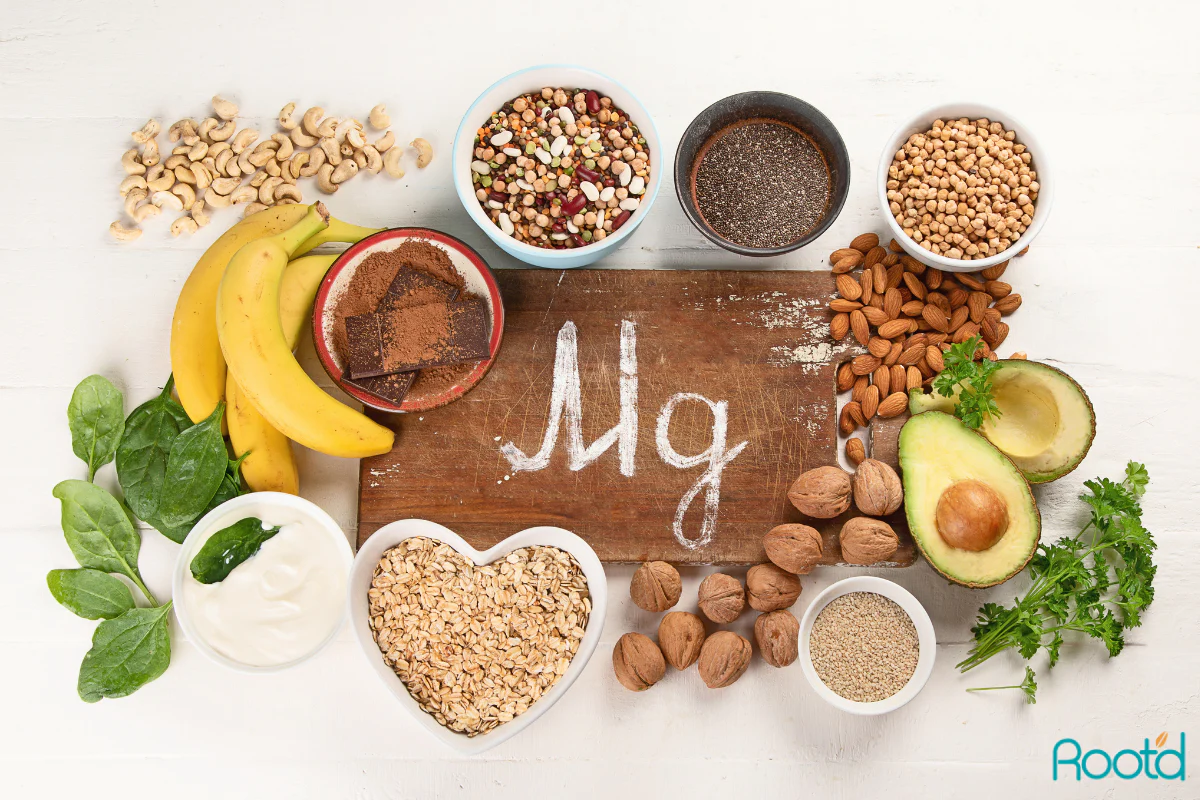
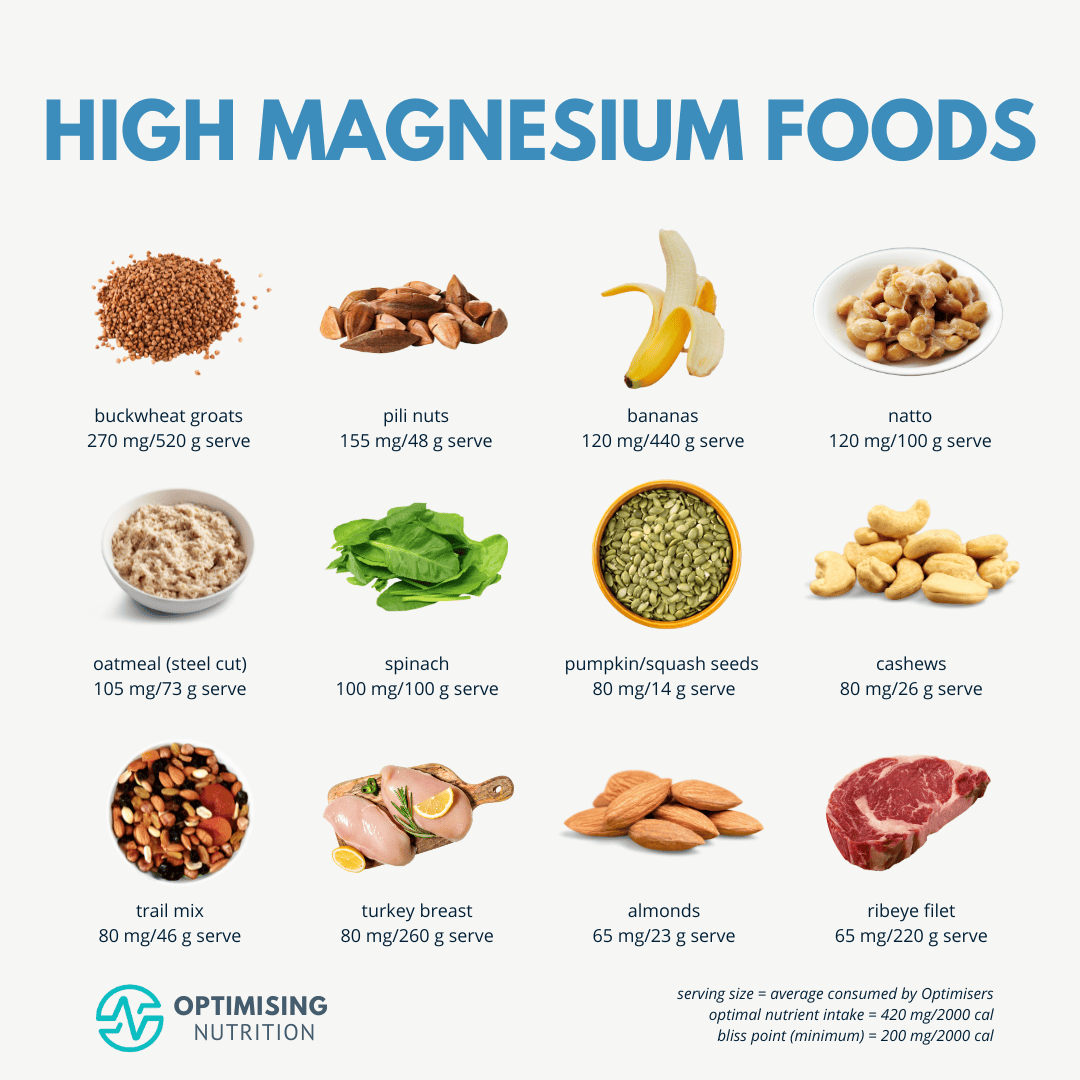
Top Magnesium-Rich Foods for Fertility
Food | Mg per 100g | Fertility Benefit
- Pumpkin Seeds | 535mg | High in zinc, supports ovulation & sperm health
- Spinach | 79mg | Rich in folate, crucial for conception
- Almonds | 270mg | Boosts progesterone & testosterone
- Dark Chocolate (85%) | 228mg | Improves blood flow to reproductive organs
- Black Beans | 120mg | Stabilises blood sugar (key for PCOS)
Pro Tip: Soaking nuts/seeds overnight enhances magnesium absorption!
Should You Take a Supplement?
- Recommended Daily Intake: 310–420 mg/day (NIH).
- Best Forms: Magnesium glycinate (gentle on digestion) or citrate (for constipation).
- Caution: Avoid oxide (poor absorption).
Fertility-Boosting Combo:✔ Mg + Zinc + Vitamin B6 → Supports hormone balance.✔ Mg + Omega-3s → Reduces inflammation in PCOS/endometriosis.
Final Takeaways
- Magnesium deficiency is common and worsens fertility challenges.
- Both men & women benefit—better ovulation, sperm health, and pregnancy outcomes.
- Eat magnesium-rich foods daily + consider supplements if needed.
Need a Personalized Plan?Book a consultation with our fertility dietitians at Food & Wellness!
References
- NIH Office of Dietary Supplements (2023). Magnesium Fact Sheet.
- Gaskins et al. (2022). Human Reproduction, *37*(5), 1023-1035.
- Agarwal et al. (2022). Andrology, *10*(3), 456-467.